Why should you not use bleach?
Bleach is very irritating and corrosive to the skin, lungs, and eyes. As well, it has been known to burn human tissue internally or externally. On top of this- it may cause skin rash, extreme headaches, migraines, muscle weakness, abdominal discomfort, esophageal perforation, nausea and vomiting.
Is it safe to clean with bleach?
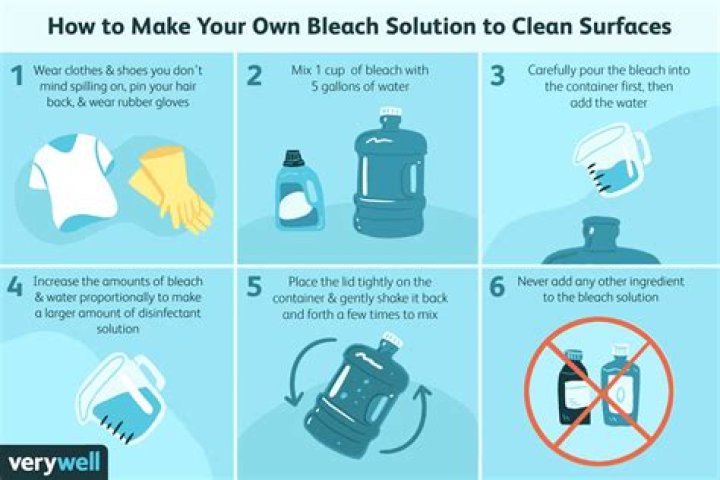
When used properly (it should always be diluted with water before use), chlorine bleach is safe for disinfecting surfaces. It kills harmful germs and bacteria and sanitizes clothes in the laundry.
What should you not clean with bleach?
5 Things You Should Never Clean or Do with Bleach
- Don't use it on wooden surfaces. ...
- Don't use it to clean most metals. ...
- Don't use it on granite countertops. ...
- Don't use it to clean or sanitize food. ...
- Never mix it with other chemicals.
Why do hospitals not clean with bleach?
Unfortunately, bleach can corrode metal and damage electronics. Plus, patient rooms often contain plastic items, including storage containers and chairs. If bleach is used to clean them, it can actually damage the plastic over time.
DANGEROUS MISTAKES YOU'RE MAKING W/BLEACH//HOW TO CLEAN WITH BLEACH//PRODUCTS TO NEVER MIX W/BLEACH
Is bleach toxic to humans?
Bleaches, Laundry
Household bleach (sodium hydroxide) is not technically speaking considered corrosive or toxic, even if ingested. However, bleach exposure can cause irritation in the eyes, mouth, lungs and on skin. Individuals with asthma or other breathing problems are particularly susceptible.
Is vinegar as good as bleach for disinfecting?
“Of course, vinegar does eliminate some things, but it's important to note it's not a complete solution to disinfectant. It is only 90% effective against bacteria and around 80 percent effective against viruses and mold or mildew. Bleach, however, eliminates 99.9% of bacteria, viruses, and mold or mildew.
Can you use bleach on kitchen surfaces?
Bleach can be used in the kitchen.
We know a lot of you love to hate on bleach in the kitchen, but when used properly, the chemical can safely sanitize kitchen surfaces. Just know that most surfaces need to either air-dry or be wiped with water after using bleach on them.
Is bleach a carcinogen?
Carcinogens. The Myth: "Isn't bleach a carcinogenic chemical?" The Fact: No, the Center for Disease Control and Prevention has concluded that bleach does not cause cancer.
Can I clean my bathroom with bleach?
Bleach is a great product to use in the bathroom because your bathroom contains many non-porous surfaces. And, with all the germs that can live in the bathroom, a reliable disinfectant is just what you need.
Why do I feel sick after using bleach?
Drinking a bleach solution can cause vomiting, nausea, throat, and stomach irritation. The vomit is likely to have a chlorine smell to it. Contact with chlorine gas can severely burn and irritate the eyes, skin, nose, and throat, possibly causing permanent damage.
Can bleach fumes make me sick?
To start off, inhaling bleach causes damage to your lungs and organs. After accidentally inhaling the fumes, some individuals have reported feeling stinging in their nose and eyes, coughing, and lightheadedness, all of which are symptoms that indicate the corrosive properties of the substance.
Is Clorox and bleach the same thing?
Clorox is a bleach product from a company by the same name having its headquarters in Oakland, California. Though the company makes several chemical products, it is its bleach that is most popular.
Can breathing in bleach hurt your throat?
Chlorine gas inhalation cases are usually mild to moderate; death is rare. Patients who need medical care after a minor exposure to chlorine gas may experience burning of the eyes or throat, consistent with irritation of their mucous membranes.
What was bleach originally used for?
It was first used to sanitize drinking water in New York City's Croton Reservoir in 1895, and is approved by the government for sanitizing equipment in the food industry. In recent years, bleach has been promoted by community health activists as a low-cost method of disinfecting the needles of intravenous drug users.
Why is bleach not allowed in restaurants?
The reason for this is that although bleach can kill 99.9% of bacteria on contact, it is also highly poisonous to humans and the risk of contaminating food with bleach products is almost unavoidable when bleach based solutions are used to clean cooking utensils and kitchen work surfaces.
Should I bleach my sink?
In this How To, we recommend using bleach to disinfect your sink. That's because bleach is a highly effective disinfectant that eliminates mold, bacteria, and viruses. That said, bleach can be dangerous if it's used incorrectly.
Can you use bleach on glass shower doors?
Cleaning shower glass itself is all well and good, but to combat mould you need to get it in the nooks and crannies where it lives. Mix up a diluted bleach solution (oxygen bleach or chlorine bleach, such as Domestos*, will both work).
Why do hospitals clean with vinegar?
How does it work? Vinegar, be it white or malt or rosemary-infused, is about 5 per cent acetic acid. The acid kills bacteria and viruses, by chemically changing the proteins and fats that make up these nasties and destroying their cell structures.
Does Dawn dish soap disinfect?
Dish soap gets rid of all kinds of pathogens, including viruses and bacteria. The dishwasher is also effective at sanitizing your dishes, since the enzymes in dish detergent combined with scalding hot water are effective at getting rid of germs.
Is hydrogen peroxide a good disinfectant?
Hydrogen peroxide is often used to clean skin wounds and prevent infection from minor cuts and scrapes. As a household cleaner, it's also an effective disinfectant that will kill viruses, bacteria, and other germs, according to the Centers for Disease Control and Prevention (CDC).
Why is there white chunks in my bleach?
We're sorry to hear you experienced white clumps in your Splash-Less Bleach. While this may occur from the product being overexposed to cold temperatures and also happening during the shipping process or while in retail storage.
Is Lysol bleach?
Lysol Disinfectant Spray doesn't contain bleach, and is therefore safer for use across a wider range of common surfaces, including toys, food contact surfaces, and fabrics, although if there is any risk of ingestion from any surface where Lysol has been applied, always rewash the surface with potable water after air ...
What happens when you inhale too much bleach from cleaning?
Difficulty breathing or shortness of breath. Thesemay appear immediately if high concentrations of chlorine gas are inhaled, or they may be delayed if low concentrations of chlorine gas are inhaled. Fluid in the lungs (pulmonary edema) that may be delayed for a few hours. Nausea and vomiting.