Is biofuel a good alternative?
According to the U.S. Department of Energy, a biofuel like ethanol produces up to 48 percent less carbon dioxide than conventional gasoline while the use of biodiesel releases only one fourth the amount of carbon dioxide that conventional diesel releases, making it a much more environmentally friendly option as ...
Why we should not use biofuel?
The unaccounted for environmental problems that indirectly arise from biofuel use are significant: 1) direct conflicts between land for fuels and land for food, 2) other land-use changes, 3) water scarcity, 4) loss of biodiversity, and 4) nitrogen pollution through the excessive use of fertilizers.
What are the disadvantages of biofuel energy?
Disadvantages of Biofuels
- High Cost of Production. Even with all the benefits associated with biofuels, they are quite expensive to produce in the current market. ...
- Monoculture. ...
- Use of Fertilizers. ...
- Shortage of Food. ...
- Industrial Pollution. ...
- Water Use. ...
- Future Rise in Price. ...
- Changes in Land Use.
Is biofuel a good energy source?
Read a brief summary of this topic
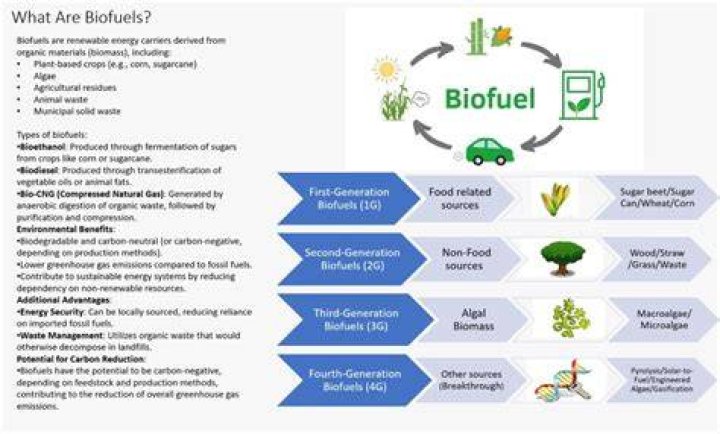
biofuel, any fuel that is derived from biomass—that is, plant or algae material or animal waste. Since such feedstock material can be replenished readily, biofuel is considered to be a source of renewable energy, unlike fossil fuels such as petroleum, coal, and natural gas.
The Problem with Biofuels
What is the biggest challenge of biofuels?
Producing second generation biofuels is even more challenging than producing first generation biofuels due the complexity of the biomass and issues related to producing, harvesting, and transporting less dense biomass to centralized biorefineries.
What are disadvantages of biodiesel?
Since biofuels are made from animal and vegetable fat, more demand for these products may raise prices for these products and create a food crisis in some countries. For e.g., the production of biodiesel from corn may raise its demand, and it might become more expensive, which may deprive poor people of having it.
Are biofuels worse than fossil fuels?
The fact is that in some cases biofuels are much worse than fossil fuels as they are removing massive CO2 sinks and create extra CO2 in the process. You do not to use food products, you can use crop residues like Abengoa who use wheat straw to make bio ethanol.
Are biofuels safe?
It is safer than petroleum diesel because it is less combustible. The flashpoint for biodiesel is higher than 130°C, compared with about 52°C for petroleum diesel. Biodiesel is safe to handle, store, and transport.
Why is biodiesel not widely used?
"The feedstock inputs you need for biodiesel are more expensive than petroleum is," Jones Prather said. "On top of that, the processes for producing the fuel aren't yet efficient enough so that you can produce it very cheaply."
What are 3 disadvantages of biomass?
The Disadvantages of Biomass Energy
- It's Not Completely Clean.
- High Costs In Comparison To Other Alternatives.
- Possible Deforestation.
- Space.
- It Requires Water.
- It Has Inefficiencies.
- It's Under Development.
Why are biofuels controversial?
But biofuels have major drawbacks too. Critics think their environmental benefits are overstated and argue that, by taking land that would otherwise be used for growing food, they could severely worsen poverty and hunger in developing countries.
Why is biomass bad for the environment?
From emissions of particulate matter (aka soot), nitrogen oxide, which contributes to ground-level ozone pollution, various carcinogens, and carbon monoxide, it's clear that the air pollution created when power plants burn biomass is toxic and dangerous.
What are 5 disadvantages of biomass?
While the advantages of biomass energy are plenty, there are also some shortcomings, including:
- Biomass energy is not as efficient as fossil fuels. Some biofuels, like Ethanol, is relatively inefficient as compared to gasoline. ...
- It is not entirely clean. ...
- Can lead to deforestation. ...
- Biomass plants require a lot of space.
Why does biodiesel produce less energy?
Biodiesel is slightly denser than petrodiesel. However, it contains about 11 percent oxygen, whereas petrodiesel contains no oxygen. The oxygen doesn't contribute to the energy content, although it does help the fuel to burn more efficiently and with lower tailpipe emissions.
Do biofuels pollute?
MYTH: In terms of emissions, biofuels emit the same amount as gasoline or more. FACT: Biofuels burn cleaner than gasoline, resulting in fewer greenhouse gas emissions, and are fully biodegradable, unlike some fuel additives.
Are biofuels less energy efficient?
Biodiesel provides 93% more usable energy than the fossil energy needed for its production, reduces GHGs by 41% compared with diesel, reduces several major air pollutants, and has minimal impact on human and environmental health through N, P, and pesticide release.
Do biofuels contribute to global warming?
Biofuels such as bioethanol contribute little or no CO2 to the buildup of greenhouse gas emissions.
What are some issues with biofuels?
Likewise, the fertilizer, water and land required to produce enough biofuel to reduce fossil fuel consumption significantly can create other problems, ranging from increased pollution to decreased access to food. Biofuels, and the process of integrating them into our fuel use habits, can be costly.
Are biofuels carbon negative?
The U.S. government considers biodiesel to be carbon-neutral because the plants that are the sources of the feedstocks for making biodiesel, such as soybeans and palm oil trees, absorb carbon dioxide (CO2) as they grow.
What problem does the use of biofuels create quizlet?
Environmental impact of biofuels - the 'energy balance', biodiversity and deforestation. 1965 until now - 63% increase in oil consumption in the US. Also huge rises of oil and coal consumption in India and China.