Does neurofibromatosis run in families?
The biggest risk factor for neurofibromatosis is a family history of the disorder. About half of people who have NF1 and NF2 inherited the disease from an affected parent. People who have NF1 and NF2 and whose relatives aren't affected are likely to have a new gene mutation.
How many cases of Legius syndrome are there?
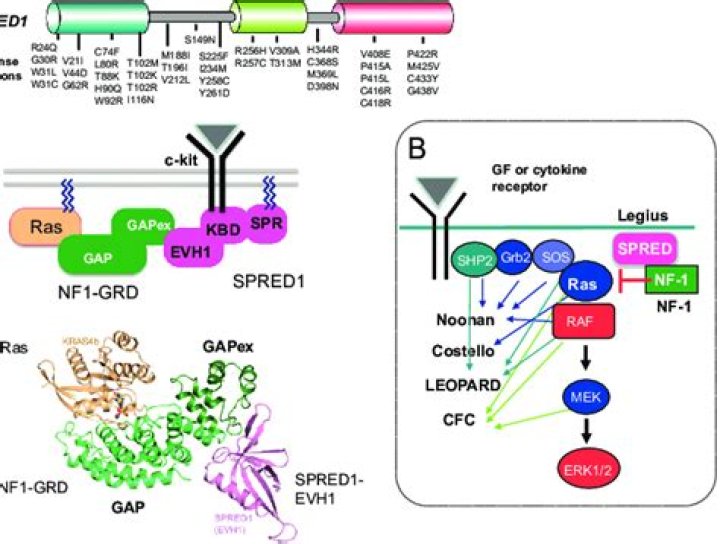
The prevalence of Legius syndrome is estimated at 1:46,000-1:75,000 based on the fraction of children with a SPRED1 pathogenic variant in cohorts of children followed at NF clinics [Messiaen et al 2009, Pasmant et al 2015b, Evans et al 2016, Giugliano et al 2019].
How is Legius syndrome diagnosed?
How Is Legius Syndrome Diagnosed? At birth, the delivery team may notice the baby's wide-set eyes and suggest genetic testing. But in most cases, doctors find the condition only after other signs happen, such as café-au-lait spots.
Is neurofibromatosis genetic or environmental?
Neurofibromatosis is a genetic neurological disorder that can affect the brain, spinal cord, nerves and skin.
“Inherited Condition with Many Birthmarks” | Legius Syndrome | Symptoms, Diagnosis, Treatment
Can neurofibromatosis skip a generation?
Only one parent need be affected to cause a child to have NF1 (autosomal dominant inheritance). NF1 does not skip generations. Sporadic or random pathogenic variants in the gene responsible for NF1 account for the remaining 50% of cases and occur when a child has NF1 but neither parent does.
Can neurofibromatosis be passed on to offspring?
Once a person has NF1, however, they can pass on the faulty gene to their children. In each pregnancy, an affected parent has a one in two (50 per cent) chance of passing the NF1 faulty gene on to their child, causing the child to be affected. This pattern of inheritance is referred to as autosomal dominant.
Can you have café au lait spots without neurofibromatosis?
Can you have café-au-lait spots without having neurofibromatosis? Yes. It is very common for people to have a few café-au-lait spots on their bodies without having an underlying condition like neurofibromatosis type 1 (NF1).
What can be mistaken for neurofibromatosis?
Legius syndrome also is called a neurofibromatosis 1-like syndrome because its symptoms are similar to NF1. Individuals with Legius syndrome have skin problems including brown birthmarks, called cafe-au-lait spots, and freckling, as well as mild learning problems and a larger head.
What is the inheritance pattern of Bloom syndrome?
Bloom syndrome is inherited in an autosomal recessive pattern. This means that there is a mutation of both copies of the BLM gene in people with Bloom syndrome; and each parent carries one mutant copy and one normal copy. The causative gene has been mapped to chromosomal location 15q26.
Are neurofibromas painful?
A genetic disorder such as neurofibromatosis (NF) can cause multiple neurofibromas. Most of these tumors do not hurt or cause problems, but some neurofibromas itch or are painful, and some become tumors. Treatment consists of observation and, if necessary, medications or surgical removal.
How is Lesch Nyhan syndrome inherited?
Lesch-Nyhan syndrome is inherited in an X-linked pattern. X-linked genetic disorders are conditions caused by an abnormal gene on the X chromosome and manifest mostly in males. Females that have an abnormal gene present on one of their X chromosomes are carriers for that disorder.
How rare is NF2?
NF2 is a rare disorder that affects males and females in equal numbers. All races and ethnic groups are equally affected by this disorder. The estimated incidence of NF2 is 1 in 33,000 people worldwide. The symptoms of this disease typically become apparent during puberty or early adulthood.
Who is most likely to get neurofibromatosis?
The only true risk factor for developing neurofibromatosis is having a parent who also has the condition. In nearly half of all cases of type 1 and type 2 neurofibromatosis, and in around 15 percent of schwannomatosis cases, the condition is passed down from parent to child.
Can neurofibromatosis be prevented?
Can neurofibromatosis be prevented or avoided? You cannot avoid NF. You can have genetic testing to see if you carry the gene.
Can neurofibromatosis be detected before birth?
How Is Neurofibromatosis Type 1 Diagnosed? NF1 may be diagnosed before or at birth using genetic (DNA) tests. A doctor usually suggests genetic testing for NF1 if: a parent or sibling of an unborn baby is known to have NF1.
How serious is NF1?
The symptoms of neurofibromatosis type 1 (NF1) are often mild and cause no serious health problems. But some people will have severe symptoms. The symptoms of NF1 can affect many different areas of the body, but it's unlikely someone will develop all of them.
Is NF1 fatal?
Neurofibromatosis Type 1 (NF1)
In most cases, symptoms of NF1 are relatively mild, allowing patients to live normal and productive lives. However, the disorder can also be debilitating and, in some cases, life-threatening.
Do café-au-lait spots always mean neurofibromatosis?
It is not unusual for a healthy child to have a few café-au-lait spots, and it is not recommended to provide an evaluation for NF1 if the spots are fewer than six in number. These spots also should be clear and distinct – finding very faint or small skin spots does not count towards the six spots needed for diagnosis.
Can you live a normal life with NF1?
If there are no complications, the life expectancy of people with NF is almost normal. With the right education, people with NF can live a normal life. Although mental impairment is generally mild, NF1 is a known cause of attention deficit hyperactivity disorder.
How rare are café-au-lait spots?
Approximately 10% of the general population has one or two café-au-lait spots. However, having more than 5 café-au-lait spots (referred to as multiple CALS) is rare.
What are the chances of having a child with NF1?
Regardless of whether a person with NF1 is the first one in the family to be affected or whether the condition has been present for many generations, all persons with NF1 have a 50% chance of having a child with NF1 for each and every future pregnancy. Genetic or DNA testing for NF1 is currently available.
Does NF1 always get worse with age?
Typically, adults with NF1 will develop more neurofibromas over time. They may grow for a period of time and then stop growing. In addition, they may change in shape or color as they grow. Sometimes, they can also be associated with itching or slight discomfort when bumped.
Can you test for neurofibromatosis?
A blood test is available for genetic testing to see whether a mutation in the neurofibromatosis type 1 gene is present. A diagnosis of neurofibromatosis type 1 is still possible in people who don't have an identifiable mutation. Testing can now also be performed for SPRED1.