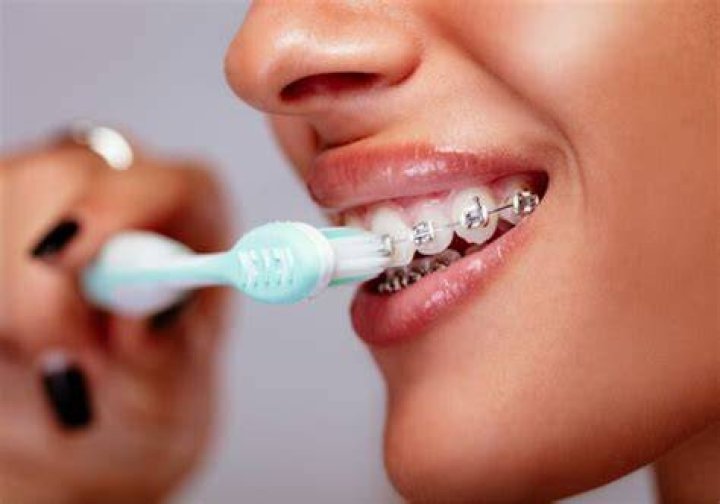
Is it okay to brush your teeth once a day with braces?
After thorough flossing, you should brush your teeth as well as the brackets and wires in your mouth until all food particles are removed. Brushing should occur at least twice every day while floss and brush should occur at least once, preferably before bedtime so that plaque does not sit on the teeth overnight.
How often should you brush your teeth when you have braces?
Why it's important to brush your teeth with braces. Brushing your teeth at least twice a day (but we recommend five) is already important as it helps avoid oral problems such as tooth decay, gum disease, and tooth decalcification.
What happens if you don't brush your teeth for one day with braces?
In addition to the damage to the teeth, not brushing with braces can damage your gums. Bacteria can build up around the gums and even get between the gums and teeth. Bacteria can damage the tissue holding your teeth in place, which may lead to some serious issues like gingivitis or periodontal disease.
Is it okay to not brush your teeth for one night with braces?
Skip a session, and you're on your way to encouraging the growth of bacterial buildup in the form of plaque, which can lead to cavities and even gum disease. Chances are that you've felt plaque on your teeth throughout your day and haven't even realized it.
National Smile Month - Is it ok to brush your teeth once a day?
Can teeth rot under braces?
Braces can trap food particles. If not removed properly, sticky dirt, bacteria and plaque can build up on your teeth and gums. This can lead to tooth decay.
What happens if I don't brush after every meal with braces?
Why Brushing Should Wait. After eating highly acidic foods, your teeth are more susceptible. Brushing immediately after you eat causes damage to your enamel because of the weakened state of your teeth. The abrasive bristles of your toothbrush wear away the protective surface of the teeth, causing more harm than good.
Can brushing teeth break braces?
Choose the Correct Toothbrush
However, braces are more delicate than you think, and a stiff-bristled brush can actually bend or break your braces. When you have braces, it's best to opt for a soft-bristled toothbrush, which will be more delicate on your braces.
Can I brush twice a day with braces?
Brushing teeth with braces isn't too different than brushing without braces. It's still important to brush twice a day for at least two minutes, and if possible brush after every meal to remove loose food from under brackets and wires.
How many times should you floss a day with braces?
Flossing With Braces
Floss once a day: Use waxed floss (unwaxed floss is more likely to get caught and shred in your braces), dental tape or a product specifically designed to clean around your braces. Use waxed floss and thread it carefully under the main wire before passing between two teeth.
Should I use mouthwash with braces?
Mouthwash is an excellent, safe, and effective addition to your oral healthcare routine. Choose a fluoride-fortified mouthwash, and rinse once each night in addition to brushing and flossing. You'll keep your braces clean, your breath fresh, and your smile sparkling for a lifetime!
Do you have to brush your teeth 3 times a day with braces?
To avoid plaque, brushing at least 2-3 times a day is essential. You also need to make sure you brush properly – brushing your teeth and braces should take at least 4-5 minutes each time you do it. Poor brushing results in permanent decalcification, which can leave permanent marks on your teeth.
What happens if I forget to floss with braces?
Remember that by not flossing, you will become more prone to cavities and gum disease during your treatment. When flossing, remember to gently massage your gums in between the teeth. You will find that flossing with braces takes extra time, as you will have to weave the floss through each bracket.
Do you have to floss every time you eat with braces?
Normally, you can enjoy excellent oral health by brushing twice a day and flossing daily, but with braces, you will need to clean your smile after every meal.
How do you know if you are brushing well with braces?
Are you using the proper brush? Your toothbrush should be small enough to reach every small corner inside your mouth to get all the tiny particles of food out. The best types should have soft bristles to gently remove the plaque and debris without damaging your teeth or enamel.
What color is best for braces?
Choose light blue, bronze, dark purple or subdued reds and pinks to complement lighter skin tones. Choose darker colors to make your teeth appear whiter. Watch out for lighter colors that could make your teeth look more yellow. Consider colors that complement or match your eyes.
Do braces leave stains?
While braces usually do a great job of straightening our teeth, they can sometimes leave discoloration behind once they're removed. There are even several ways to minimize or remove the appearance of staining if it affects your teeth. Yet the best way to get rid of braces staining is to avoid it in the first place.
Can I chew gum with braces?
Patients should not chew gum while they have their expander, but patients with traditional braces can chew gum if it is on the ADA (American Dental Association) approved list of sugar-free gums. These gums are sweetened by non-cavity causing sweeteners such as aspartame, sorbitol or mannitol.
Do I brush my teeth before or after breakfast with braces?
If you brush before eating breakfast, rinse your mouth with water after your meal, floss if needed, and you are good to go. But if you decide that doughnut simply can't wait, you should ideally postpone brushing for 20-30 minutes after your meal.
Do braces change your face?
With braces, the change to your face shape is a gradual one. It's less obvious in adults, whose skeletal features are already completely developed. During your orthodontic consultation, our Ottawa orthodontist, Dr. Charles Cohen, can pinpoint which areas, if any, might change once your teeth are properly aligned.
What's the average time you wear braces?
On average, it takes about 24 months to complete an orthodontic treatment. Some patients require less than 12 months, but there are also patients requiring up to 3 years of treatment before their teeth reach the desired position.
What is the best age for braces?
However, a general rule of thumb is your kids should look at getting braces between the ages of 9 and 14. Usually, this is before they've gone through puberty. If they've already gone through it, this means it'll be harder to adjust their jaw and/or teeth, as they've already settled into their post-puberty positions.
How do you sleep with braces on?
How to Sleep with Braces
- Tip #1: Keep your teeth and gums clean. ...
- Tip #2: Try sleeping on your back. ...
- Tip #3: Use dental wax if needed. ...
- Tip #4: Use Tylenol if you have to! ...
- Tip #5: Wear a nightguard or mouthguard if you grind your teeth.
Can I brush my braces With an electric toothbrush?
Sonic and Oscillating Toothbrushes Are Safe for Braces
They're ideal for braces because they easily clean out food and bacteria trapped around brackets and elastics, and under wires. Even better, clinical research shows that sonic toothbrushes can remove more plaque than manual toothbrushing.
Why do teeth turn yellow with braces?
One of the most common reasons is the adherence of plaque and tartar deposits on teeth, as it becomes difficult to clean them optimally around the braces. Over time, more food particle adheres to the teeth, leading to tooth discolouration and making them appear yellower.